What's Included in Islip
- Mold Inspection
- Moisture Source Location
- Content Cleaning
- Bathroom Mold Cleanup
- Mold Removal
- Basement Mold Cleanup
- Humidity Control
- HEPA Air Filtration
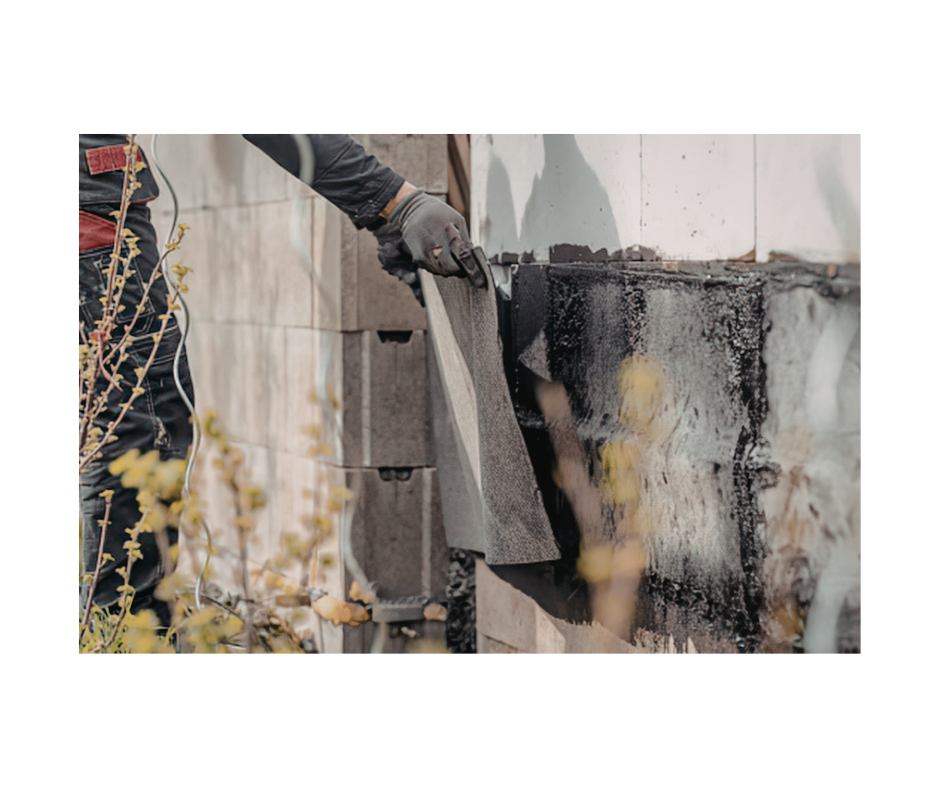
Mold in Islip homes usually points to a hidden moisture problem. Crews inspect, contain, remove, and help correct the source. Restoration referral service — calls connect you with a licensed, insured, IICRC-certified local crew.
Call 516-968-3910
Islip (11751), on Suffolk's South Shore, borders or sits near East Islip, West Islip and Great River. Flooding from Hurricane Sandy in 2012 soaked bayfront homes along the Great South Bay, and wet materials left behind are a classic source of mold.
After the record August 2014 rainfall in Islip, basements that flooded and were not dried completely often developed mold. Damp bay air slows natural drying, which gives mold more time to establish after water gets in. Controlling humidity after remediation is a standard step for waterfront homes.
Knowing these local patterns helps crews in Islip check the likely hiding spots, not just the visible staining.
The same crews cover nearby East Islip, West Islip and Great River. Crews also handle water damage in Islip and fire and smoke damage in Islip.
Very small surface spots can sometimes be handled at home, but larger or hidden growth needs containment and proper removal so spores do not spread.
Crews schedule mold assessments quickly, prioritizing cases tied to active leaks or flooding.
Duration depends on the size and location of the growth, and crews give a clearer estimate after inspection.
Yes, if materials stay wet. Drywall, insulation, and flooring that were soaked can grow mold within days unless they are dried or removed.
The process includes containing the area, removing contaminated materials, HEPA cleaning, and confirming the result.