What's Included in Copiague
- Storm & Flood Cleanup
- Content Restoration
- Basement Water Removal
- Humidity Control
- Moisture Mapping
- Sewage Cleanup
- Structural Drying
- Water Mitigation
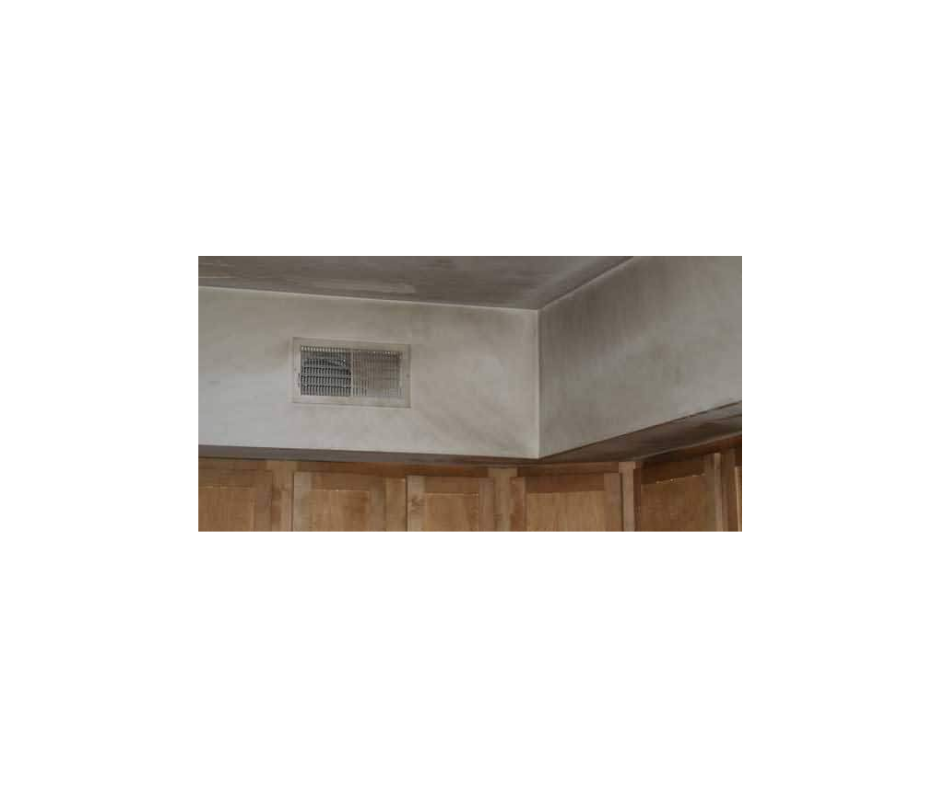
Water spreads fast in Copiague. Local crews extract, dry, and dehumidify around the clock before a leak becomes a total loss. Restoration referral service — calls connect you with a licensed, insured, IICRC-certified local crew.
Call 516-968-3910
Copiague (11726) sits on the south side of Suffolk County, with Lindenhurst, Amityville and Babylon nearby. Hurricane Sandy in October 2012 brought record coastal flooding to the Great South Bay, with a surge of roughly 6 to 7 feet along the southwest Suffolk shore, according to the National Weather Service.
Bay flooding is salt water carrying silt and debris, so cleanup goes well beyond the drying used for a clean-water pipe break. Low elevation and a high water table near the bays make Copiague more prone to flooding than inland communities. Low-lying streets near the water can flood from the bay and from the sky at the same time.
Knowing these local patterns helps crews in Copiague look in the right places first and avoid repeat problems.
Nearby areas served include Lindenhurst, Amityville and Babylon. Crews also handle fire and smoke damage in Copiague and mold remediation in Copiague.
Yes. Salt-water flooding calls for extraction, removal of contaminated materials, sanitizing, and thorough drying, and documentation matters for flood-policy claims.
Most policies cover sudden, accidental water damage such as burst pipes or appliance failures, while gradual leaks and flood coverage depend on the policy. Crews document the loss and can work directly with your carrier.
Shut off the water if possible, avoid electrical hazards, and photograph the damage before anything is moved.
Prompt extraction and controlled drying can save many floors and walls. Porous materials soaked for days are harder to save.
A backup is sewage, not clean water, so crews contain the area, remove affected materials, and sanitize. Coverage for sewer or septic backup varies by policy, so ask your carrier.