What's Included in Cold Spring Harbor
- Water Mitigation
- Sewage Cleanup
- Moisture Mapping
- Appliance Leak Cleanup
- Burst Pipe Cleanup
- Basement Water Removal
- Humidity Control
- Content Restoration
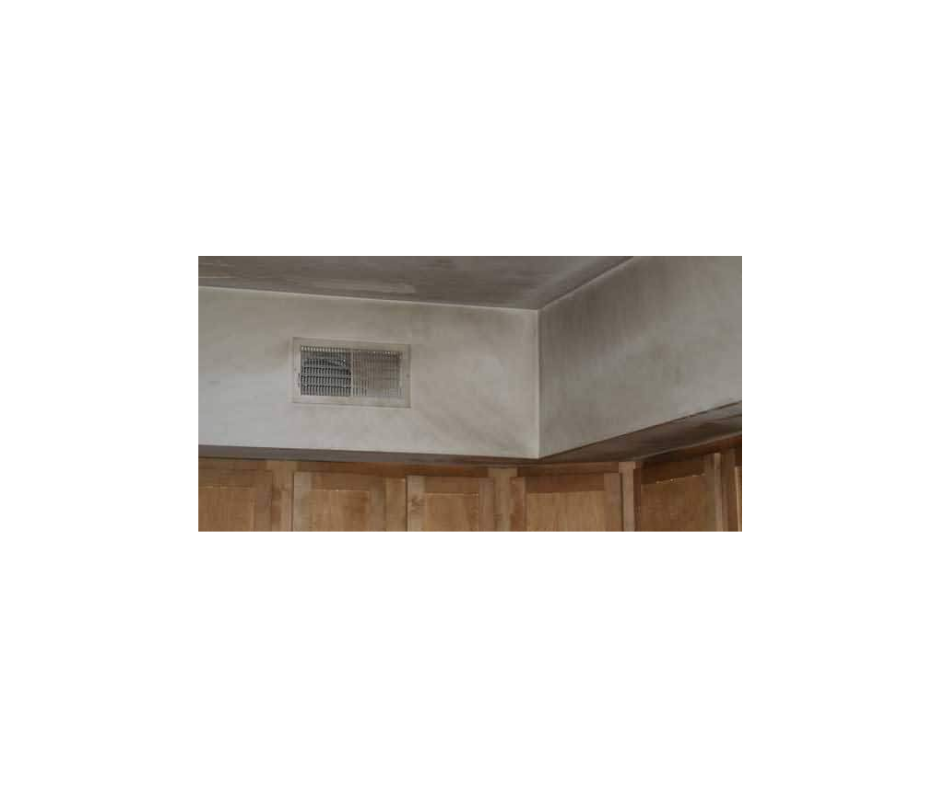
Water spreads fast in Cold Spring Harbor. Local crews extract, dry, and dehumidify around the clock before a leak becomes a total loss. Restoration referral service — calls connect you with a licensed, insured, IICRC-certified local crew.
Call 516-968-3910
Crews serving Cold Spring Harbor (11724) also cover nearby Huntington, Centerport and Greenlawn. North Shore harbors flooded during Hurricane Sandy, with low-lying shoreline areas seeing 2 to 4 feet of water.
When Isaias cut power to more than 420,000 customers in 2020, basements that depend on sump pumps lost their protection. Older supply and drain lines are a frequent source of slow leaks that do hidden damage before showing up. North Shore properties like those in Cold Spring Harbor often sit on sloping ground, which sends runoff toward foundations in heavy rain.
In practice, crews in Cold Spring Harbor focus on stopping the source, removing standing water quickly, and drying structure and contents to acceptable moisture levels.
The same crews cover nearby Huntington, Centerport and Greenlawn. Crews also handle fire and smoke damage in Cold Spring Harbor and mold remediation in Cold Spring Harbor.
Prompt extraction and controlled drying can save many floors and walls. Porous materials soaked for days are harder to save.
If it is safe, stop the water source, turn off power to affected areas, and move valuables to a dry place. Take photos for your insurance claim.
Yes. Salt-water flooding calls for extraction, removal of contaminated materials, sanitizing, and thorough drying, and documentation matters for flood-policy claims.
Moisture left in walls and under floors encourages mold and can warp flooring and swell framing, so complete drying matters.
A backup is sewage, not clean water, so crews contain the area, remove affected materials, and sanitize. Coverage for sewer or septic backup varies by policy, so ask your carrier.